Honey
Honey: how bees make it, 8,000 years of honey hunting, apples at Rosh Hashanah, and how to buy, store and fix crystallised honey in Australia.
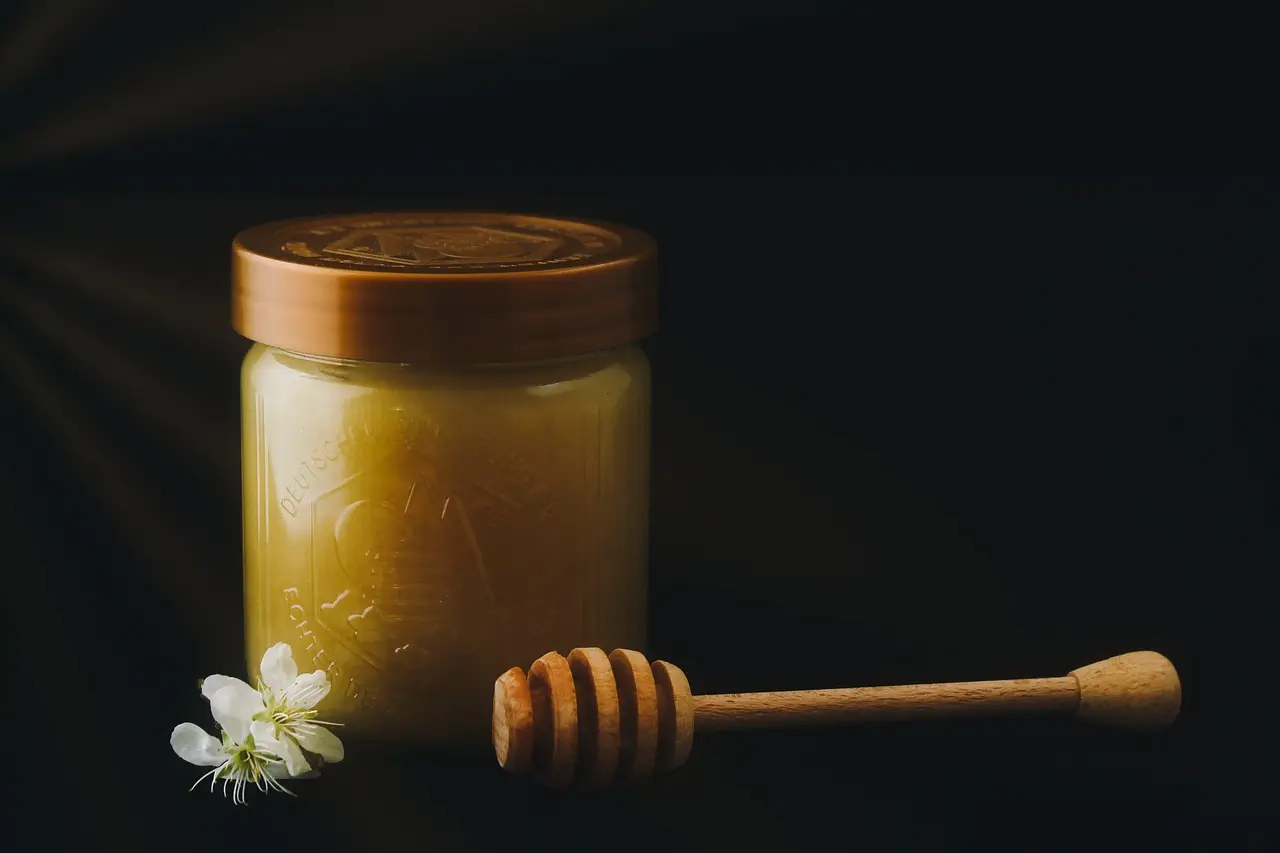
Open a jar of honey and you're holding the work of thousands of bees and a few million flowers. It's sweet, sticky and oddly patient: kept sealed, it barely changes for years. People have climbed cliffs for it, painted it on cave walls, poured it over gods and promised it to whole nations. Then we drizzle it on toast.
Background
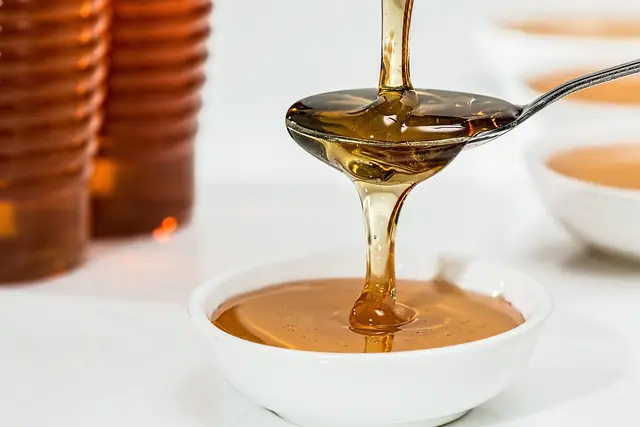
Bees make honey from nectar. A forager sucks nectar into a special "honey stomach", where enzymes start breaking its sugars down into glucose and fructose. Back at the hive, bees pass it around and fan it until most of the water evaporates 1. Finished honey holds only about 15.5 to 18% water, a sugar solution so concentrated that microbes struggle to grow in it 1. That's why sealed honey keeps almost indefinitely, as long as it doesn't take on water 1.
Crystals are normal too. Honey's glucose naturally forms crystals, and how fast depends on the flower. High-glucose honeys set quickly; others stay runny for ages. Crystals grow fastest between about 13 and 17°C 1, which is why a jar in a cool pantry often goes cloudy over winter.
China produces about a quarter of the world's honey, followed by Turkey, Ethiopia, Iran and Argentina 1.
History
People were raiding wild hives long before anyone kept bees. Rock paintings in the Cuevas de la Araña in Spain show people gathering honey at least 8,000 years ago 12. Honey hunting still goes on: in Nepal, Gurung honey hunters climb cliffs to harvest from the world's largest honeybee, and in parts of Africa people follow honeyguide birds to the nests 2.
You may have heard that edible honey turned up in Egyptian tombs. It's a lovely story, but Wikipedia's honey article notes no such find has held up: every case proved to be another substance or only chemical traces 1.
Australia's own honey story starts with native stingless bees. Aboriginal Australians have long harvested "sugarbag" from species like Tetragonula carbonaria 3. European honeybees arrived in Sydney in March 1822, seven hives aboard the convict ship Isabella, and reached Tasmania in 1831 3. Today about 70% of Australian honey comes from native plants, mostly eucalypts like yellow box, blue gum and karri, plus Tasmania's leatherwood 3. In June 2022 the varroa mite turned up near Newcastle, and by year's end more than 17,000 hives faced destruction 3.
Customs, rules and rituals
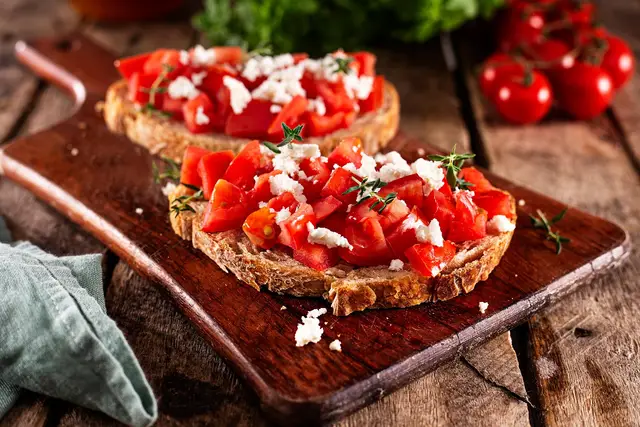
- Judaism. The Bible calls the promised land "a land flowing with milk and honey" (Exodus 3:8) 4. At Rosh Hashanah, the Jewish new year, people dip apples in honey; sweet foods stand for the sweet year everyone hopes will follow 5.
- Islam. The Qur'an has a whole chapter named An-Nahl, "The Bee". It says God inspired bees to make their homes "in the mountains, the trees, and in what people construct" 6.
- Hinduism. Honey is one of the five ingredients of panchamrita, alongside sugar, milk, curd and ghee. It's poured over deities during worship, then shared out to devotees as prasad 7.
Place in human experience
Honey was the first great sweetener, and for most of history people had to earn it, with smoke, ladders and stings. Maybe that's why it became shorthand for abundance. "Milk and honey" still means plenty, thousands of years after Exodus 4.
Honey also carries a place in it. Leatherwood tastes of Tasmania's rainforest; yellow box tastes of inland woodland 3. Two jars from the same supermarket shelf can taste completely different because the bees visited different trees. Few foods tell you so plainly where they came from.
How to buy, store and use it
Picking. Read the label for the floral source and region. A named single source (leatherwood, yellow box, jarrah, orange blossom) usually tastes more distinctive than a blend. Darker honeys tend to be bolder; pale ones milder. Local markets and beekeepers sell honey straight from the hive, often with comb.
Where to find it. Australian supermarkets keep honey in the spreads aisle near jam and peanut butter. Specialty and Tasmanian honeys sit on the same shelf or in the health food section.
Storage. Keep the lid tight and the jar in the pantry, not the fridge. Honey stays sound as long as water stays out 1, so use a dry spoon. Cold speeds crystals 1; if it sets, stand the jar in warm water and stir.
Safety. NSW Health advises against giving honey to babies under 12 months, because raw honey has been shown to cause infant botulism 8.
Using it. Honey browns faster than sugar, so watch the oven. It's brilliant in dressings, marinades, glazes, porridge and baklava syrup.
Swaps. For vegan cooking, use maple syrup, rice malt syrup or golden syrup in roughly equal amounts.
Sources
- "Honey", Wikipedia. https://en.wikipedia.org/wiki/Honey
- "Honey hunting", Wikipedia. https://en.wikipedia.org/wiki/Honey_hunting
- "Beekeeping in Australia", Wikipedia. https://en.wikipedia.org/wiki/Beekeeping_in_Australia
- Exodus 3:8, New International Version, Bible Gateway. https://www.biblegateway.com/passage/?search=Exodus%203%3A8&version=NIV
- "Rosh Hashanah Foods", My Jewish Learning. https://www.myjewishlearning.com/article/rosh-hashanah-foods/
- Qur'an 16:68, Surah An-Nahl, Quran.com. https://quran.com/16/68-69
- "Panchamrita", Wikipedia. https://en.wikipedia.org/wiki/Panchamrita
- "Botulism fact sheet", NSW Health. https://www.health.nsw.gov.au/Infectious/factsheets/Pages/botulism.aspx