Lime
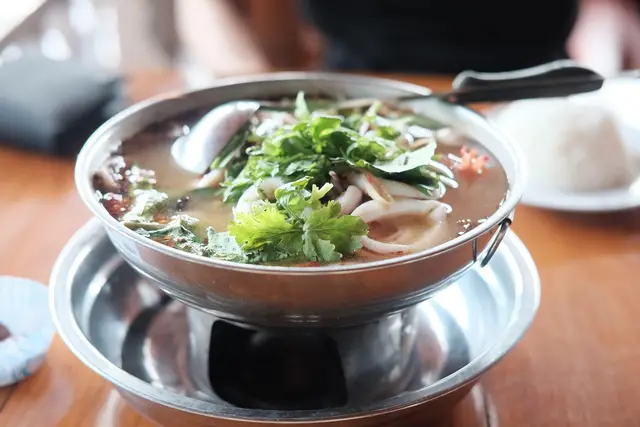
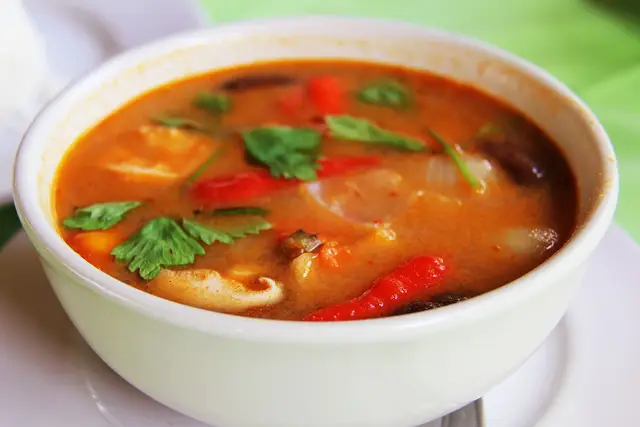
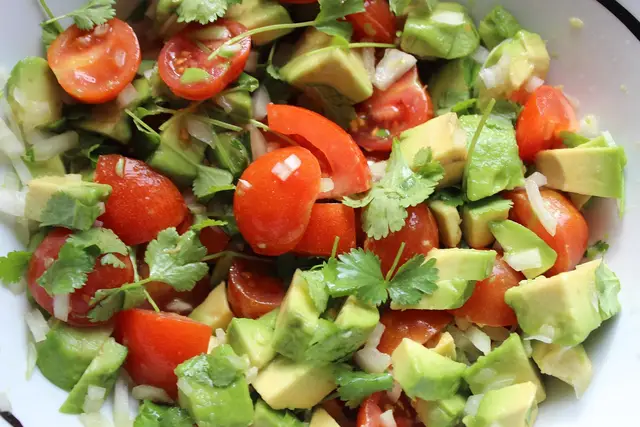
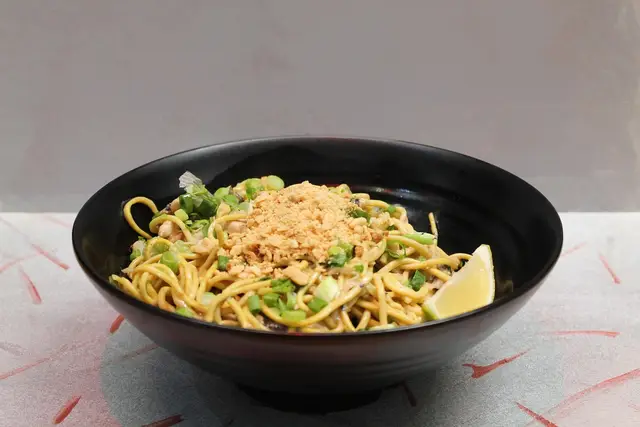
Squeeze a lime over tacos, a bowl of pho or a plate of grilled fish and everything wakes up. This small green fruit started out in tropical Southeast Asia…
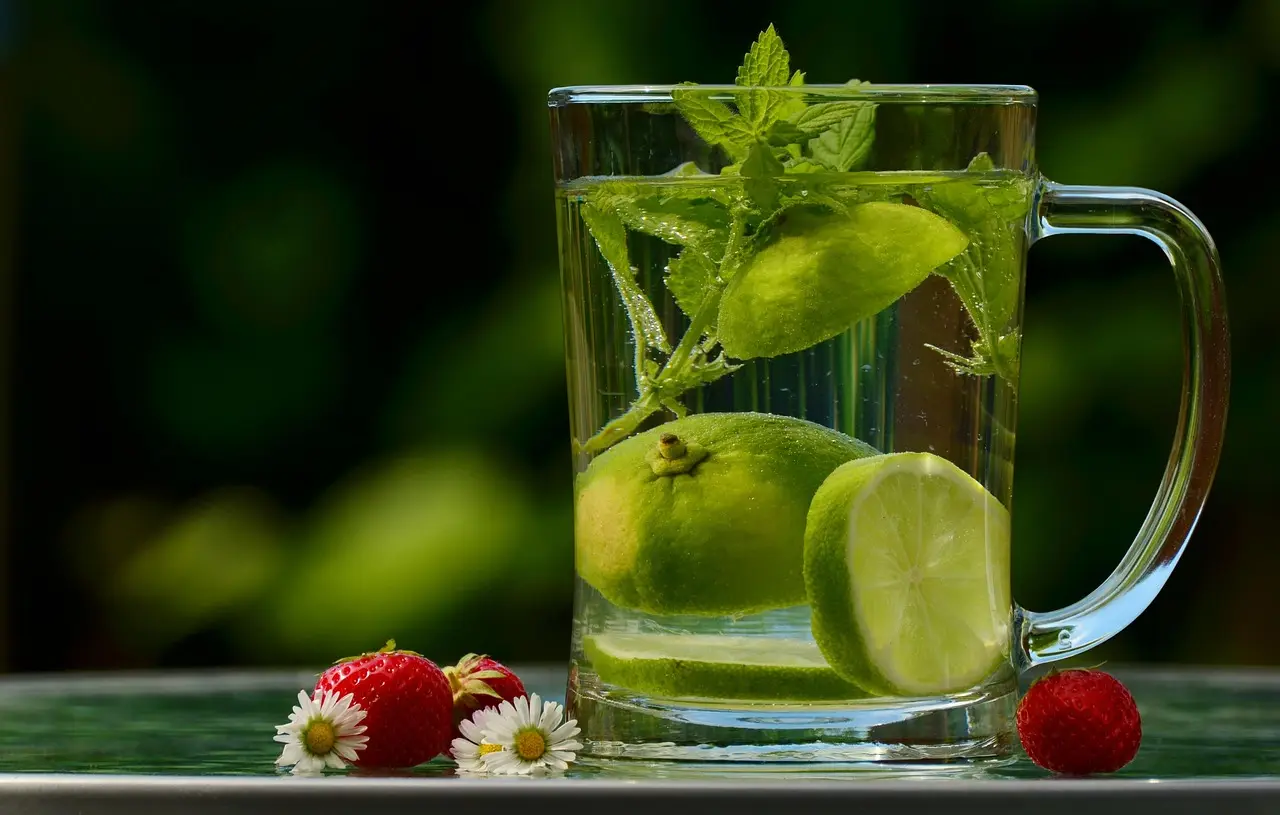
Squeeze a lime over tacos, a bowl of pho or a plate of grilled fish and everything wakes up. This small green fruit started out in tropical Southeast Asia and hitched rides with traders, crusaders, conquistadors and sailors until it ended up in nearly every kitchen on earth. Along the way it cured (and then failed to cure) the British navy, gave the English a nickname and turned black in the Gulf sun. Not bad for something that fits in your fist 12.
Background
Here is the first surprise: "lime" is not one species. It is a family name for several sour green citrus. The one most of us mean is the Mexican, West Indian or Key lime, small, seedy and fragrant, alongside the bigger, seedless Persian lime you find in most supermarkets 12.
The second surprise: limes are hybrids. A big 2018 genome study in Nature, led by Guohong Albert Wu, traced the whole citrus family to the foothills southeast of the Himalayas and found that limes, like lemons, oranges and grapefruit, come from crosses between a few ancestral species rather than from a wild lime of their own 8.
Today India grows more limes and lemons than anyone, about 3.8 million tonnes in 2023, with Mexico close behind at 3.2 million 1.
History
Limes spread the way good gossip does: person to person, boat to boat. Botanists place the Mexican lime's home in the Indo-Malayan region 2. One relative, the makrut (kaffir) lime, travelled with Austronesian voyagers into Micronesia and Polynesia somewhere around 3000 to 1500 BCE 1.
Westward, the spice trade carried limes towards the Middle East and the Mediterranean 1. Julia Morton's classic Fruits of Warm Climates says Arabs and Crusaders brought the Mexican lime from Palestine to Mediterranean Europe around the middle of the 13th century, where it settled into Italian and probably French gardens 2.
Then the Spanish took it across the Atlantic. Limes were growing in Haiti by 1520 and soon in Mexico 2. In Florida they had a short, sweet boom: between about 1913 and 1923 the Keys grew limes commercially, and pickled limes became a schoolyard snack in Boston. A hurricane in 1926 flattened the trade, and Key limes went back to being backyard trees 2. Key lime pie keeps the name famous 2.
The limey story. By the 18th century scurvy, caused by a lack of vitamin C, killed more British sailors than combat did. In 1747 the naval surgeon James Lind ran what Royal Museums Greenwich calls the first recorded clinical trial, testing cures on pairs of sick sailors, and citrus won. The navy took decades to listen: lemon juice was only officially issued in the 1790s 34. All that citrus earned British sailors the nickname "limeys" 3.
Here comes the twist. The navy later swapped Sicilian lemons for West Indian limes, probably for colonial reasons. Limes taste more acidic, so everyone assumed they worked better. They carry far less vitamin C, and juice piped through copper or left open to the air lost even that. Scurvy crept back 4. By Scott's Antarctic expedition of 1911, the old lesson was largely forgotten 4. The nickname stuck anyway.
Customs, rules and rituals
Ceviche. Peru's national dish is fish "cooked" in lime juice, and nobody agrees where it began. Peruvian accounts point to the Moche, who seasoned fish about 2,000 years ago with the juice of tumbo, a banana passionfruit, long before citrus arrived. Ecuador makes its own claim. Another theory credits the Spanish, who brought citrus and the vinegar-pickling style called escabeche. Peru holds a Ceviche Day on 28 June, and UNESCO listed ceviche as intangible cultural heritage in December 2023 6.
Black limes. Around the Persian Gulf, cooks boil limes in brine and dry them in the sun until they turn hard, dark and hollow. They go by loomi in Oman, limoo amani in Iran and noomi basra, "Basra lemon", in Iraq. Drop one into a stew and you get sour, earthy, slightly smoky flavour. Iraqi cooks add them to almost everything, and many brew them into a tea for upset stomachs 5.
Evil eye charms. Walk past an Indian shopfront and you may spot nimbu mirchi: one citrus fruit, seven green chillies and a bit of charcoal on a string. It hangs over doors and on car bumpers to soak up bad luck and envy, then gets thrown away or crushed under a wheel 7. Nimbu covers both lemons and limes in Hindi; Morton lists it as an Indian name for the Mexican lime 2.
Old sour. In the Bahamas, sailors once carried "old sour", lime juice and salt, as a seasoning and keeper 2. Folk medicine around the tropics uses lime juice on mosquito bites and for indigestion, and lime-leaf tea for headaches and fever 2.
Place in human experience
Limes taste of heat and distance. For British sailors they meant survival, then a joke at their expense. For Peruvians, a squeeze of lime over raw fish is a national story about who was there first. For families in Basra or Muscat, the rattle of a dried lime in a jar is the smell of a grandmother's stew 56.
The lime also shows how a food can become "local" without being native. Mexico, Peru, Florida and Iraq all treat limes as their own, yet every one of those trees descends from plants carried in by traders and colonists 12. That is the lime's real gift to the kitchen: proof that borrowed things can belong.
And sometimes belief beats evidence. The navy chose limes because they tasted stronger. Cooks make the same call daily, reaching for the sharper fruit. In a dressing that works beautifully. Against scurvy, not so much 4.
Sources
- "Lime (fruit)", Wikipedia, https://en.wikipedia.org/wiki/Lime_(fruit)
- Julia F. Morton, "Mexican Lime", Fruits of Warm Climates, Purdue University Center for New Crops, https://hort.purdue.edu/newcrop/morton/mexican_lime.html
- "What is scurvy?", Royal Museums Greenwich, https://www.rmg.co.uk/stories/maritime-history/what-scurvy
- "Forgotten Knowledge: The Science of Scurvy", The Naked Scientists, https://www.thenakedscientists.com/node/170327
- "Dried lime", Wikipedia, https://en.wikipedia.org/wiki/Dried_lime
- "Ceviche", Wikipedia, https://en.wikipedia.org/wiki/Ceviche
- "Evil eye remedies in India", Reality Tours and Travel, https://realitytoursandtravel.com/evil-eye-remedies-in-india/
- Nicholas Gerbis, "Study traces citrus family tree to foot of the Himalayas", Arizona Public Media, https://about.azpm.org/s/54218-study-traces-citrus-family-tree-to-foot-of-the-himalayas/