Pantry Staples List
The pantry staples worth keeping, what they unlock, and how to store them safely, from rice, lentils and tins to spices, sauces and oils.
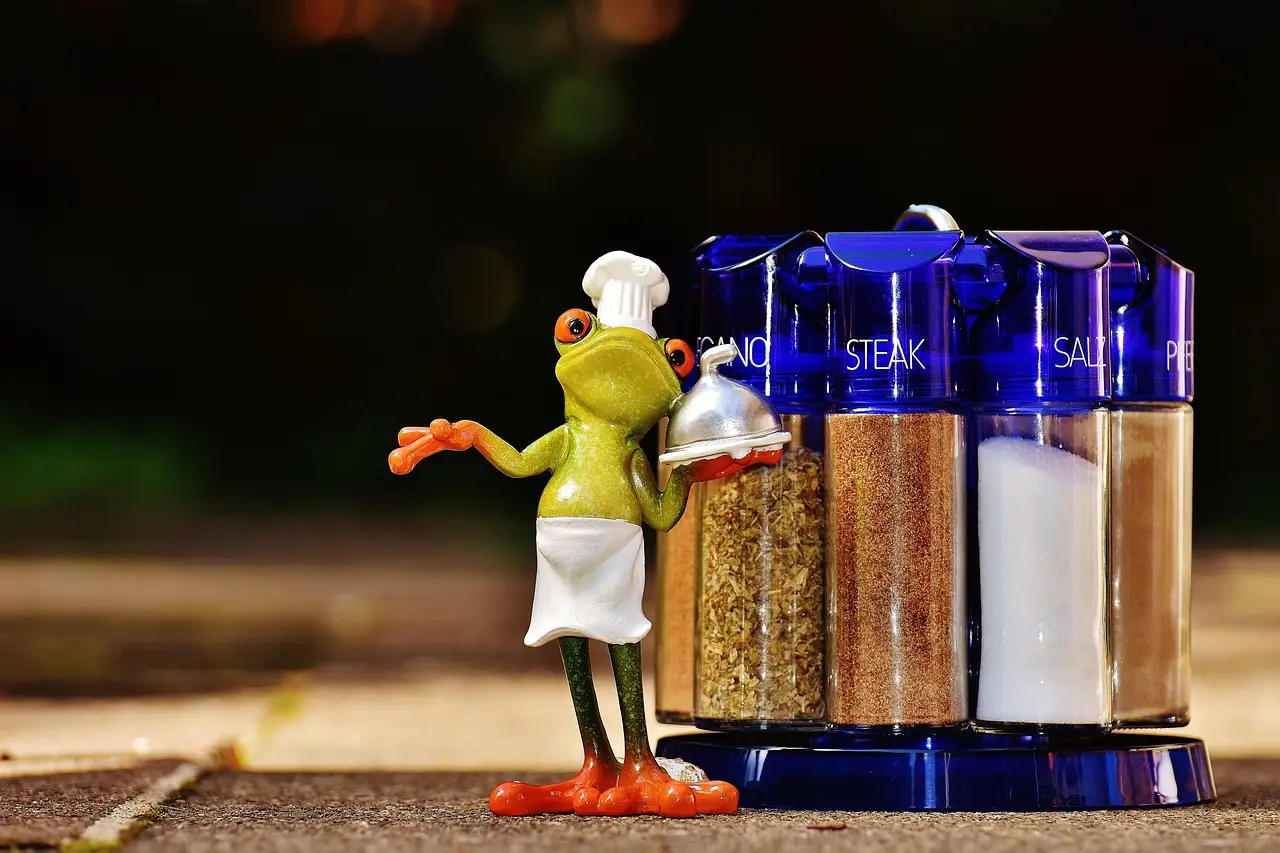
A well-stocked pantry is the difference between "there's nothing to eat" and dinner in twenty minutes. It doesn't need to be big or expensive. A few bags of grains and legumes, some tins, a handful of spices and sauces, and the right oils will cover cuisines from Italy to Korea. Here's what to keep, what each staple unlocks, and how to store it so nothing goes to waste.
Why a pantry matters
Australia wastes around 7.6 million tonnes of food a year, and households account for about 2.5 million tonnes of it 1. That's money in the bin. Shelf-stable staples help: they last for months, they turn odds and ends from the fridge into a meal, and they mean fewer emergency takeaway nights.
Grains and starches
- Rice. Keep one long-grain rice like jasmine or basmati, and add sushi or arborio rice if you love sushi or risotto.
- Pasta. One long shape, one short. Dinner in 15 minutes.
- Rice noodles. For pad thai, pho and fresh spring rolls.
- Couscous. Cooks in five minutes with boiling water.
- Oats and flour. For breakfasts, baking and thickening sauces.
Legumes
- Lentils. Red lentils cook in 20 minutes and melt into dal. Brown and green hold their shape for salads.
- Chickpeas. Tinned for speed, dried for price. They make hummus, falafel, curries and salads.
- Tinned beans. Kidney, black and cannellini beans turn into tacos, soups and stews.
The Australian Dietary Guidelines count legumes as both a vegetable and a protein food 2, so they're one of the best-value things you can buy.
Tins and jars
- Tinned tomatoes. The base of pasta sauces, curries, moussaka and soups.
- Coconut milk. For laksa, green curry and dairy-free curries.
- Tinned fish. Tuna or salmon for pasta, salads and fried rice.
- Honey. It keeps almost forever. If it crystallises, warm the jar gently.
Sauces and flavour
These are small bottles with a big job. Each one opens up a whole cuisine.
- Soy sauce. For almost everything Asian, and plenty that isn't.
- Fish sauce. Salty and savoury, the backbone of Thai and Vietnamese cooking.
- Sesame oil. A few drops at the end of a stir-fry.
- Gochujang. Korean chilli paste for bibimbap and marinades.
- Miso. Keeps for months in the fridge once opened. Soup, glazes, dressings.
- Tamarind. Sour paste for pad thai and southern Indian curries.
- Vinegar. One white or rice vinegar, one red wine or balsamic.
- Stock cubes or powder. Instant depth for soups and risotto.
Oils
- Olive oil. For dressings, Mediterranean dishes and gentle cooking.
- A neutral oil. Canola, rice bran or peanut for stir-frying and high heat.
Spices
Start with a small, useful set: cumin, turmeric, paprika, chilli flakes, cinnamon, cardamom, star anise and black pepper. Buy small amounts from a spice shop or Asian grocer, where they're often far cheaper than the supermarket. Ground spices lose their aroma after a few months, so smell them; if there's no scent, there's no flavour.
Fresh things that keep
Not strictly pantry, but they last for weeks: onions, garlic, ginger, potatoes, lemons and eggs. Keep onions and potatoes apart, in a cool, dark, airy spot.
Store it safely
Dry goods are low-risk, but a few rules keep them safe and good to eat.
Read the dates. A Use by date is about safety: don't eat food past it 3. A Best before date is about quality: the food is still safe after it, as long as it's been stored as the label says and shows no sign of spoiling 3. Foods with a shelf life of more than two years don't need a date at all 34.
First in, first out. Put new packets behind old ones so you use the oldest first 34.
Check your tins. Don't buy or use cans that are swollen, leaking, rusty, badly dented or damaged along the seams 4. A severe dent can hide tiny holes that let bacteria in 3. If a tin smells or looks odd once opened, throw it out without tasting 4.
Store cool and dry. Unless the label says otherwise, keep tins and dry goods somewhere cool and dry 4. Decant opened flour, rice and grains into sealed jars to keep out moisture and pantry moths.
Once opened, follow the label. Many sauces and jars say "refrigerate after opening". Manufacturers include those instructions because the food is only safe if you follow them 3.
Cooked rice is different. Uncooked rice keeps for ages, but cooked rice can grow Bacillus cereus, whose toxins survive reheating 5. Get leftover cooked rice into the fridge as soon as it stops steaming, and see our food safety guide for how long it keeps.
What your pantry can make
With the list above and a few fresh things, you can make fried rice, dal, pad thai, pasta, hummus, miso soup, nasi goreng and a winter vegetable soup. For more ideas, see our comfort food and family dinners collections, or our guide to Indian food.
Sources
- Department of Climate Change, Energy, the Environment and Water, "Food waste". https://www.dcceew.gov.au/environment/protection/waste/food-waste
- National Health and Medical Research Council, Australian Dietary Guidelines, Eat For Health. https://www.eatforhealth.gov.au/guidelines
- NSW Food Authority, "Keeping food safe". https://www.foodauthority.nsw.gov.au/consumer/keeping-food-safe
- Food Standards Australia New Zealand, "Canned foods: purchasing and storing". https://www.foodstandards.gov.au/consumer/prevention-of-foodborne-illness/cannedfoods
- Food Standards Australia New Zealand, "Bacillus cereus in food". https://www.foodstandards.gov.au/consumer/prevention-of-foodborne-illness/bacteria-foodborne-illness/bacillus-cereus